案例记录Case record
我做了什么,以及我不能据此断言什么。What I did—and what I cannot claim from it.
01
我做的是参观观察,不是参与策展This was an observational museum study, not curatorial work
这段经历来自我在博物馆中的参观和记录。我没有参与展览策划,因此不会把展厅的叙事或研究成果写成自己的工作。我主要观察展览如何安排时间线、器物组合、展签和参观动线,并记录哪些说明帮助我理解材料,哪些地方仍需要查阅其他资料。这种区分很重要:我能够讨论自己的观察,但不能代表博物馆解释展品。This experience comes from my own museum visits and notes. I did not participate in curating the exhibition, so I do not present the gallery narrative or its research as my own work. I observed how chronology, object groups, labels, and visitor routes were arranged, and noted which explanations helped me understand the material and where further reading was still needed. The distinction matters: I can discuss my observations, but I cannot speak on behalf of the museum or claim its interpretation as my own.
02
完整器物帮助我重新理解田野中的碎片Complete objects changed how I looked at field fragments
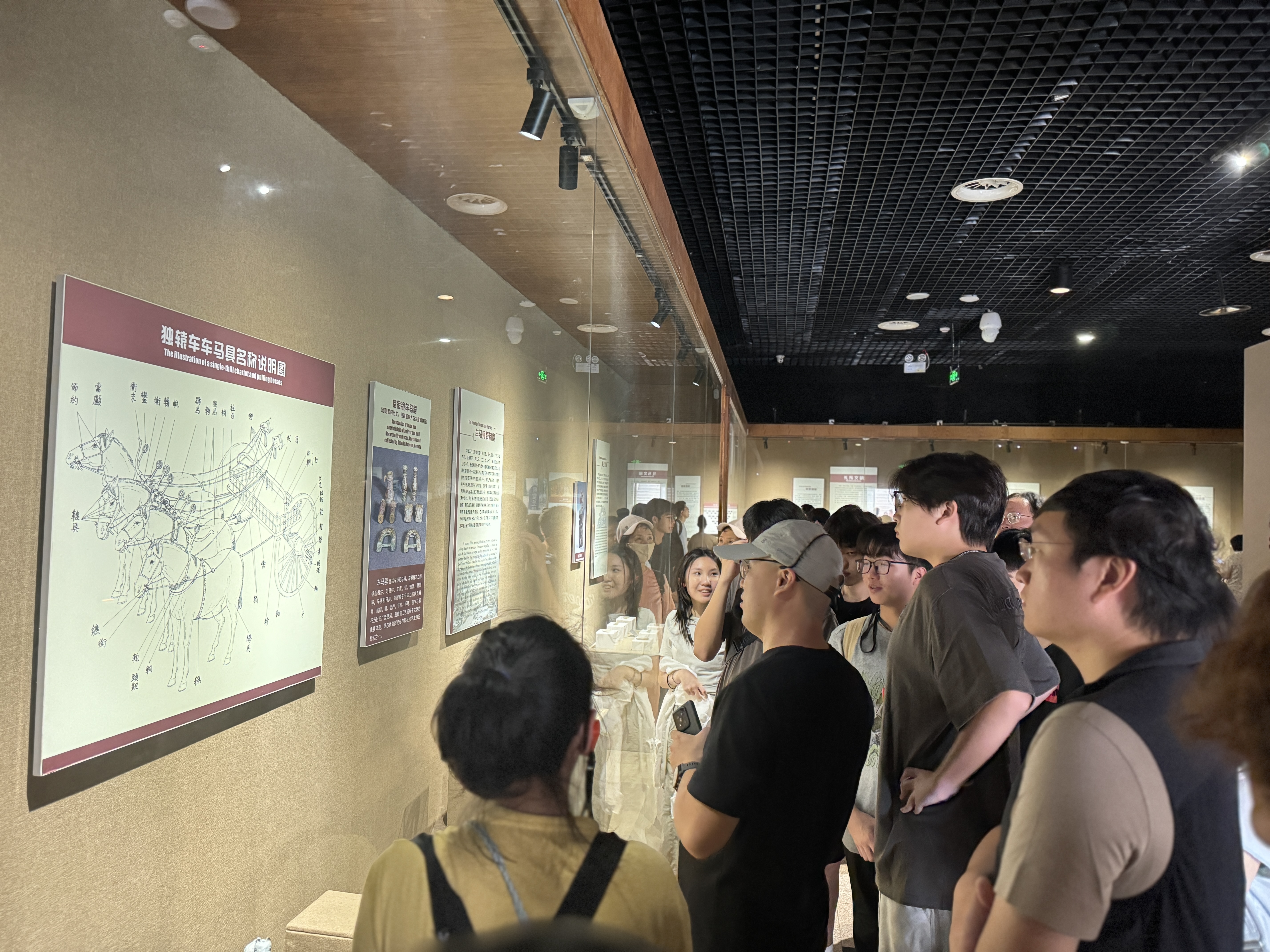
田野中常见的是陶片和残件,展柜中的完整器物则提供了形态参照。观察口沿、腹部、底足和整体比例后,我更能理解一个碎片为什么可能被归入某类器物。但这种比较仍有局限:展柜距离、光线和玻璃反射会遮挡细节,照片也不能替代对材质、重量和加工痕迹的直接观察。因此,我把博物馆记录当作学习线索,而不是正式鉴定。Fieldwork often presents sherds and fragments, while complete museum objects provide morphological reference. Observing rims, bodies, feet, and overall proportions helped me understand why a fragment might be assigned to a vessel category. The comparison still has limits. Display distance, lighting, and reflections can hide details, and photographs cannot replace direct examination of material, weight, and manufacturing traces. I therefore treat my museum notes as leads for learning, not as formal identifications.
03
展签让我看到专业知识如何被压缩Labels showed me how specialist knowledge is compressed
一块展签往往只留下名称、时代、出土地点和简短说明,但这些信息背后可能有复杂的发掘和研究过程。我开始留意展览说了什么,也留意它没有展开的部分:器物的判定依据是什么,复原图中哪些来自实物,哪些属于推测。这个习惯后来影响了我整理网站的方式——尽量把事实、解释和个人感受分开,让读者知道一句话的依据和限度。A museum label may retain only a name, date, findspot, and short explanation, even though those statements rest on a much longer process of excavation and research. I began to notice both what an exhibition said and what it left unexplained: the basis for an identification, or which parts of a reconstruction came from evidence and which were hypothetical. This habit later influenced how I organised the website. I try to separate fact, interpretation, and personal response so that a reader can see the basis and limits of a statement.