Sean Hu / Archaeology Notes
考古现场、材料和研究记录。Fieldwork, objects, and research notes.
这里放的是我整理过的三次考古经历、研究主题、文物笔记和现场照片。内容尽量以图片、地点、材料和具体问题为主。This portfolio brings together field experiences, research notes, object studies, and photographs. Each entry begins with a place, a piece of evidence, or a question I wanted to examine more closely.
先知道材料来自哪里,再进入案例。Begin with place, then move into the evidence.
地图把研究遗址、田野踏查与博物馆观察放在同一条空间线索中。点击点位即可进入对应的案例记录。The map brings research sites, field survey, and museum study into one view. Each pin opens the record connected to that place.
打开交互地图Open the interactive map快速信息At a glance
7
精选案例Selected cases
21
田野日记Daily field notes
3
学习总结论文Learning essays
主题范围Scope
古代中国考古、墓葬材料、器物观察与现场记录Ancient Chinese archaeology, burial evidence, object study, and field records
核心地点Core places
周原、散坡村墓地、曹休墓及相关展陈地点Zhouyuan, Sanpocun Cemetery, Cao Xiu's tomb, and related exhibitions
材料类型Evidence
照片、日记、论文总结、专业术语、参考资料与地图点位Photographs, diaries, essays, terms, references, and mapped locations
阅读方式How to read
像百科条目一样,从侧边栏或搜索直接进入具体内容Start with a place on the map, then follow the evidence into a case record
07 / Selected Cases
七个精选案例。Seven selected cases.
从研究问题、田野方法到器物观察,用七个入口展示我如何整理证据、形成解释并反思材料限制。These seven cases are the clearest record of how I work with evidence: what I noticed, how I checked it, and where the material still leaves room for doubt.
研究案例Research case
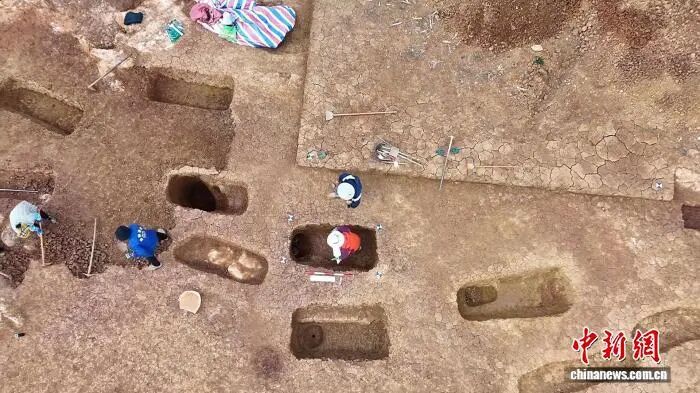
01周原遗址Zhouyuan Site
关注西周政治权力、宗庙礼制、聚落格局与国家形成过程。页面以遗址材料和研究问题为主线,适合展示文献阅读、课堂论文或项目摘要。This theme examines Western Zhou authority, ritual landscapes, settlement patterns, and state formation through site evidence and research questions.
查看案例View case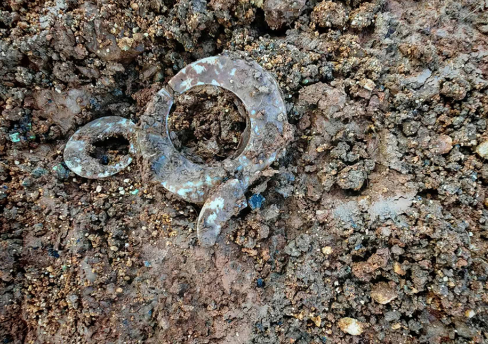
研究案例Research case
02散坡村墓地Sanpocun Cemetery
从墓葬结构、随葬品组合和身份表达入手,观察古代共同体的社会分层、仪式实践与区域文化互动。Burial structures, grave goods, and identity markers reveal social ranking, ritual practice, and regional cultural interaction.
查看案例View case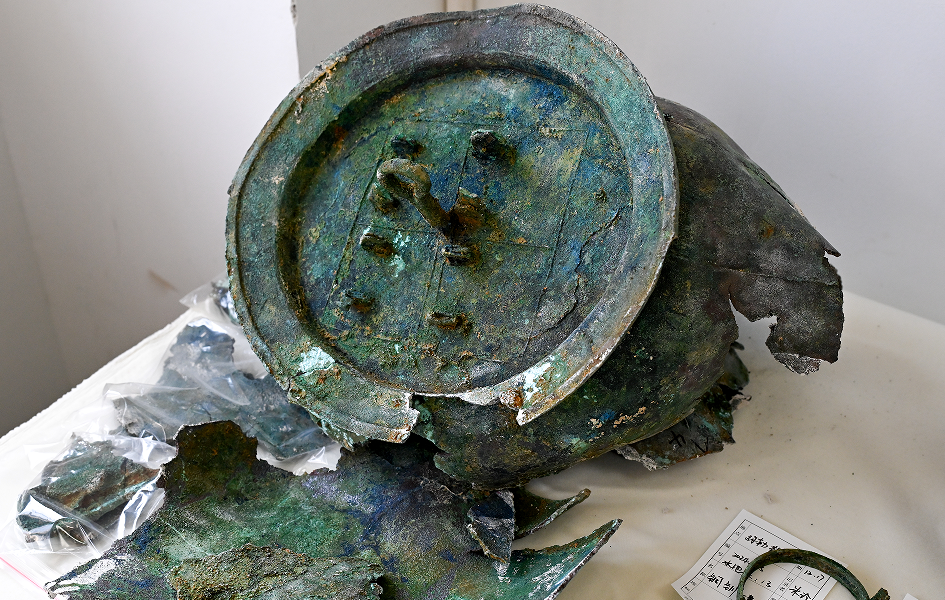
研究案例Research case
03曹休墓与丧葬考古Cao Xiu Tomb and Mortuary Archaeology
通过墓葬形制、葬具、器物组合和历史文本对读,理解汉魏时期政治身份与死亡观念的表达方式。The tomb form, burial equipment, artifact assemblages, and historical texts help explain political identity and ideas of death in the Han-Wei period.
查看案例View case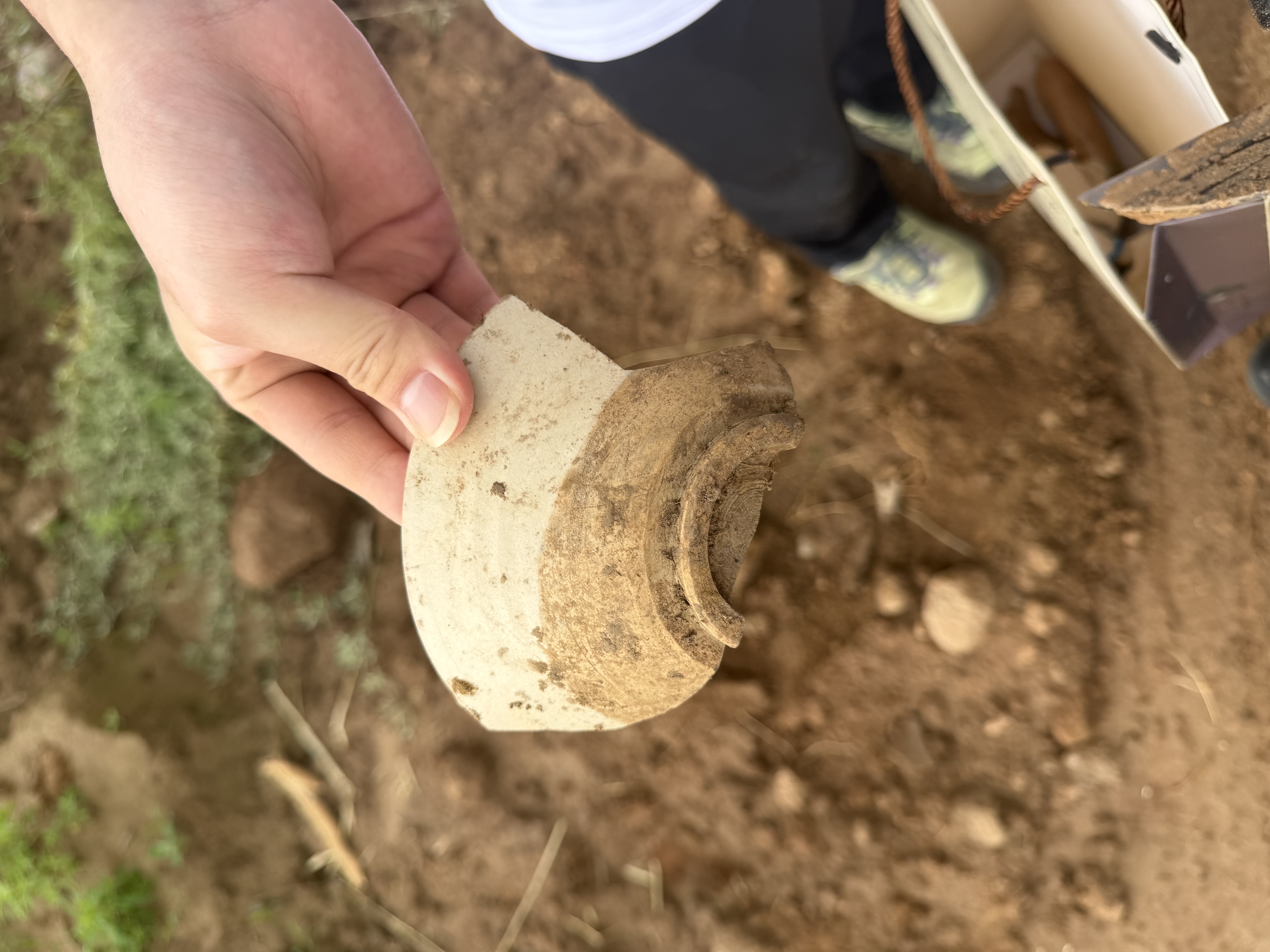
实践案例Field case
04遗址踏查与地表采集Site Survey and Surface Collection
以地貌观察、地表遗物采集和记录训练为核心,学习如何从零散材料建立对遗址范围、性质和保存状况的初步认识。A survey-centered experience focused on landform observation, surface collection, and the first interpretation of site extent, function, and preservation.
查看案例View case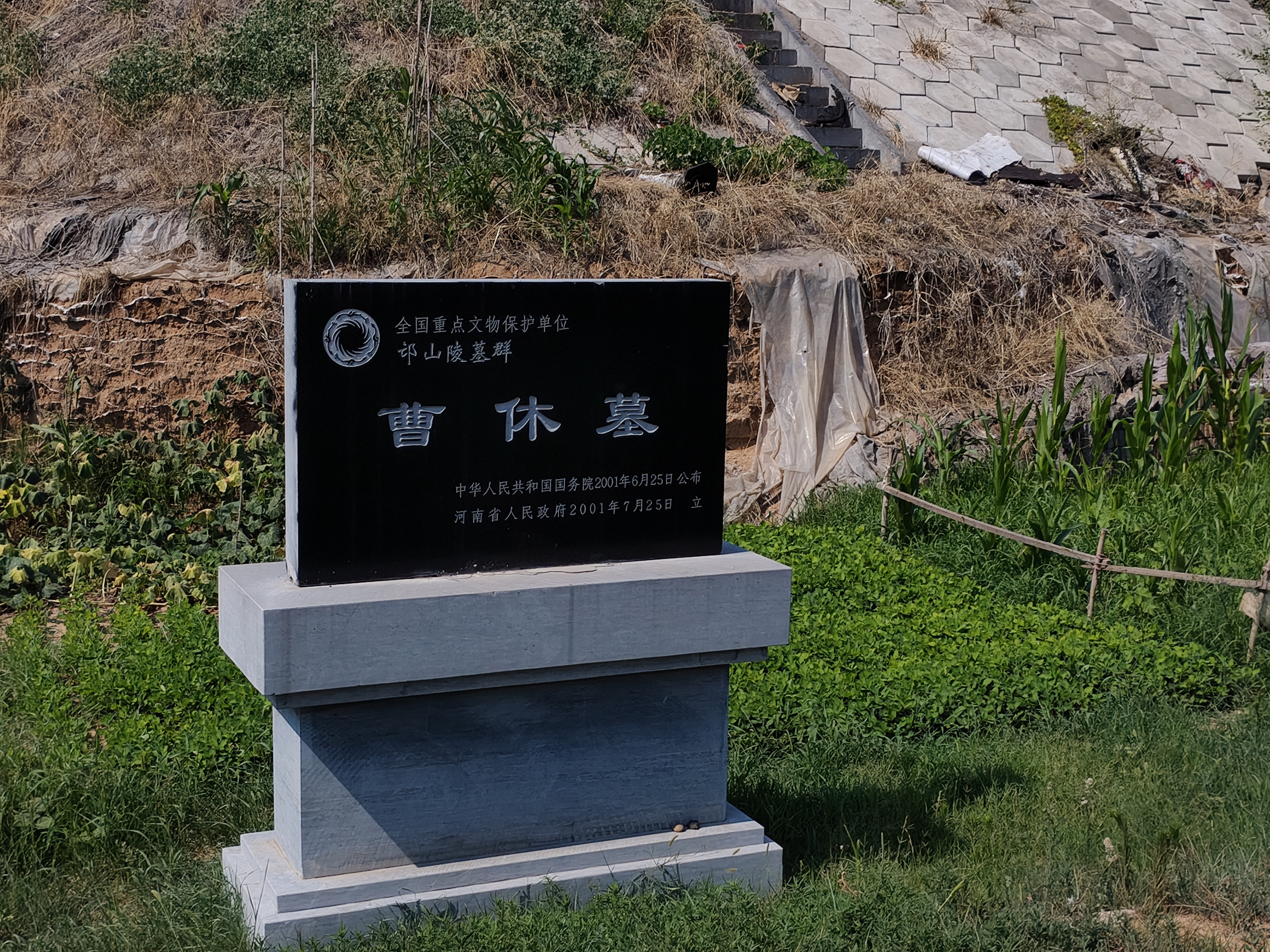
实践案例Field case
05墓葬材料观察Burial Context Observation
围绕墓葬结构、填土、随葬品组合和身份表达展开,训练如何从空间关系和器物组合理解古代社会。A burial-focused experience on tomb structure, fill, grave-good assemblages, and identity, with attention to space and social meaning.
查看案例View case实践案例Field case
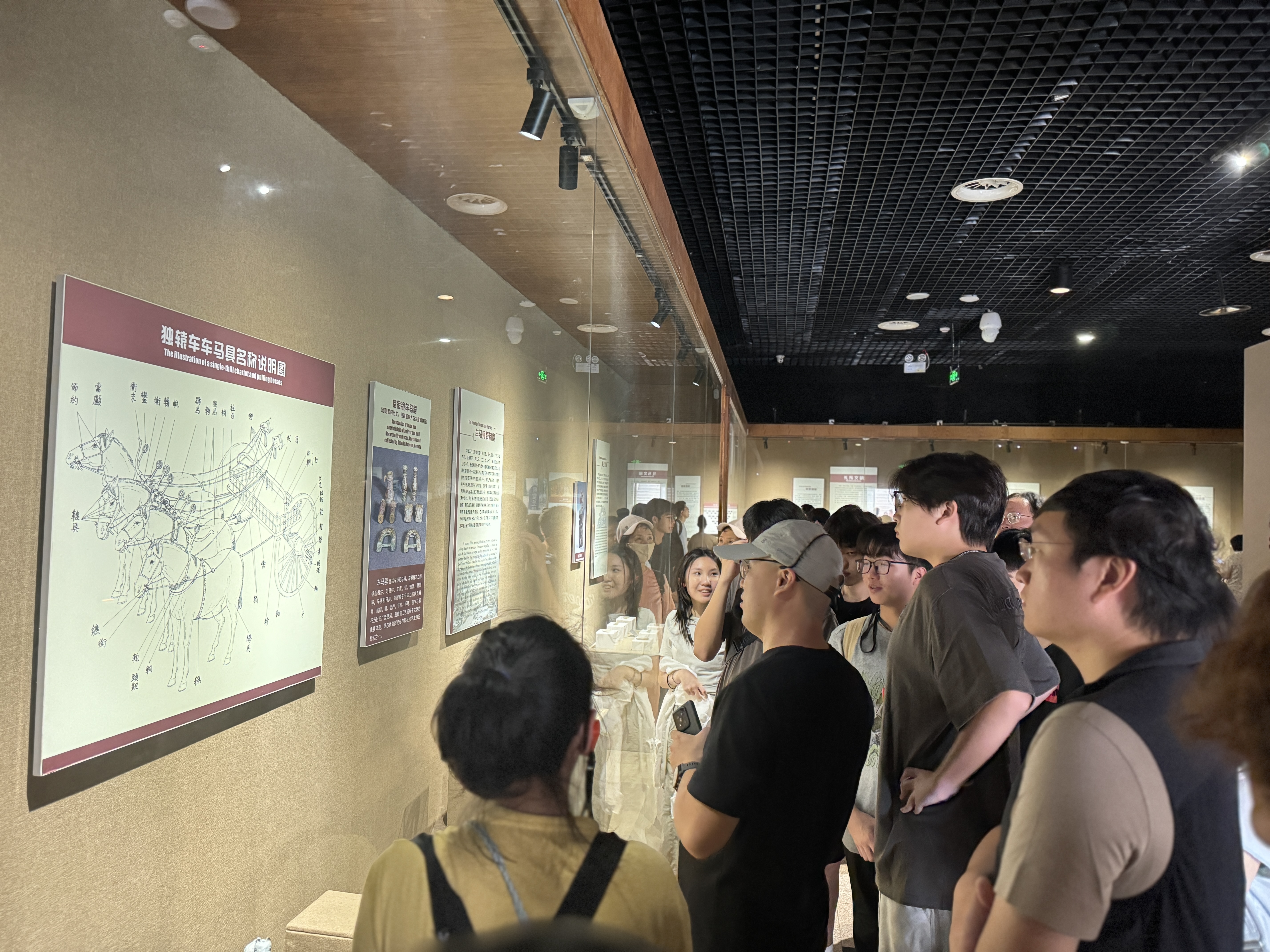
06博物馆与展陈学习Museum and Exhibition Study
通过展厅观察、展签记录、器物比较和观众动线分析,学习如何把考古材料转化为公众可理解的叙事。A museum-based experience on exhibition labels, artifact comparison, visitor flow, and public archaeological storytelling.
查看案例View case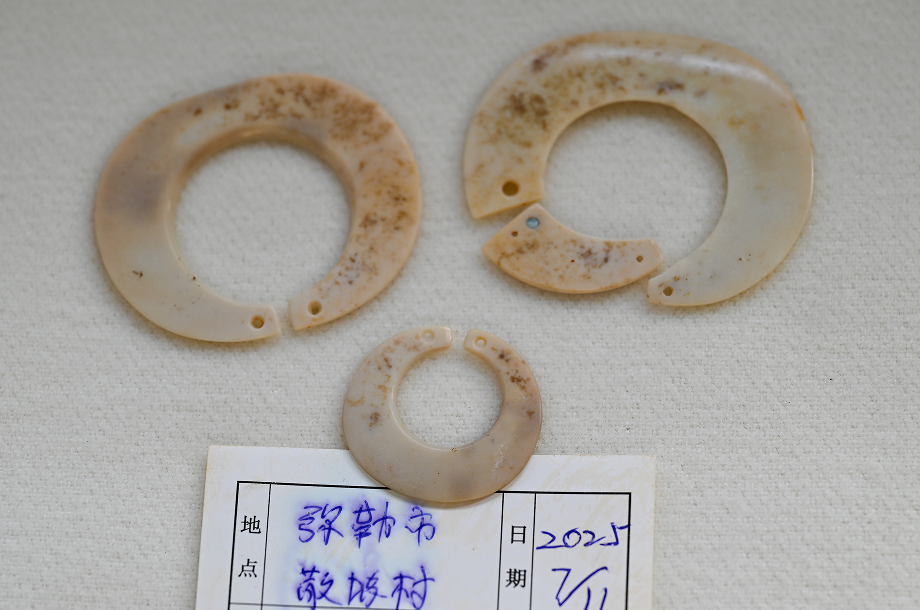
器物案例Object case
07玉玦与环形玉器Jue Rings and Circular Jade
环形玉器常与身份、礼仪和佩饰系统相关。观察时可以从孔径、断口、沁色、磨制痕迹和出土位置入手。Circular jade objects often relate to status, ritual, and personal adornment. Key observations include perforation, breakage, patina, polishing traces, and context.
查看案例View case目录Index
按材料类型进入。Browse by material.
每个板块都对应一个独立页面:研究主题、日记、文物说明和图片档案分开整理。Each section opens a dedicated page for research, diaries, object notes, or image records.
01 / Research
研究主题Research Themes
聚焦周原遗址、散坡村墓地、曹休墓与丧葬考古,把田野观察、类型学材料和社会结构问题放在同一个叙事里。Case studies of Zhouyuan, Sanpocun Cemetery, and Cao Xiu's tomb, with particular attention to how burial evidence can be read.
02 / Fieldwork
田野经历Fieldwork
以考古现场图片串联个人经历:踏查、遗物观察、墓葬与遗址环境记录,以及从现场回到问题意识的过程。Photographs and notes from survey, object handling, burial contexts, and the questions that emerged in the field.
03 / Artifacts
文物与资料Artifacts and Notes
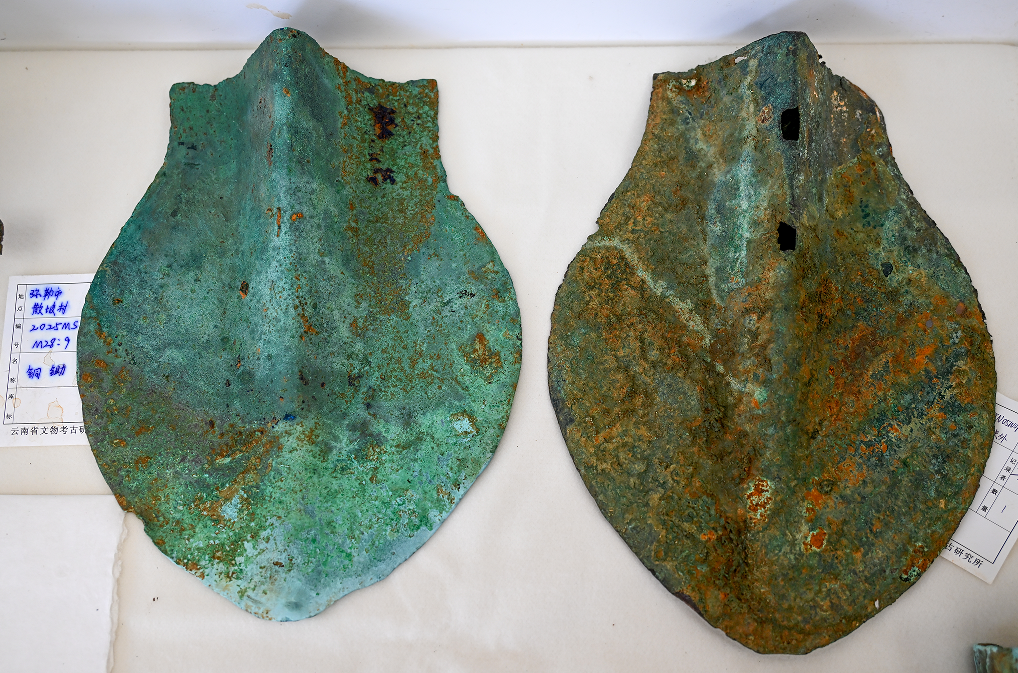
用图像和短文介绍玉器、陶片、车马器与墓葬材料,让访客能快速理解材料价值和考古语境。Close observations of jade, pottery, chariot fittings, and burial material, with enough context to explain why each detail matters.
04 / Gallery
现场图库Field Gallery
集中展示现有照片,方便查看现场细节、展陈说明、遗物状态和学习过程中的记录瞬间。A visual record of field details, museum labels, object condition, and the quieter moments of looking and learning.
Method
不把经历写成口号,尽量回到材料本身。Keep the record close to the material itself.
页面里的文字会围绕地点、照片、器物、地层、墓葬结构和参考资料展开。这样看起来不像宣传页,也更像真实申请材料或个人研究档案。The writing stays close to places, photographs, artifacts, stratigraphy, burial structure, and references, so the site reads more like a research archive than a promotional page.