Research
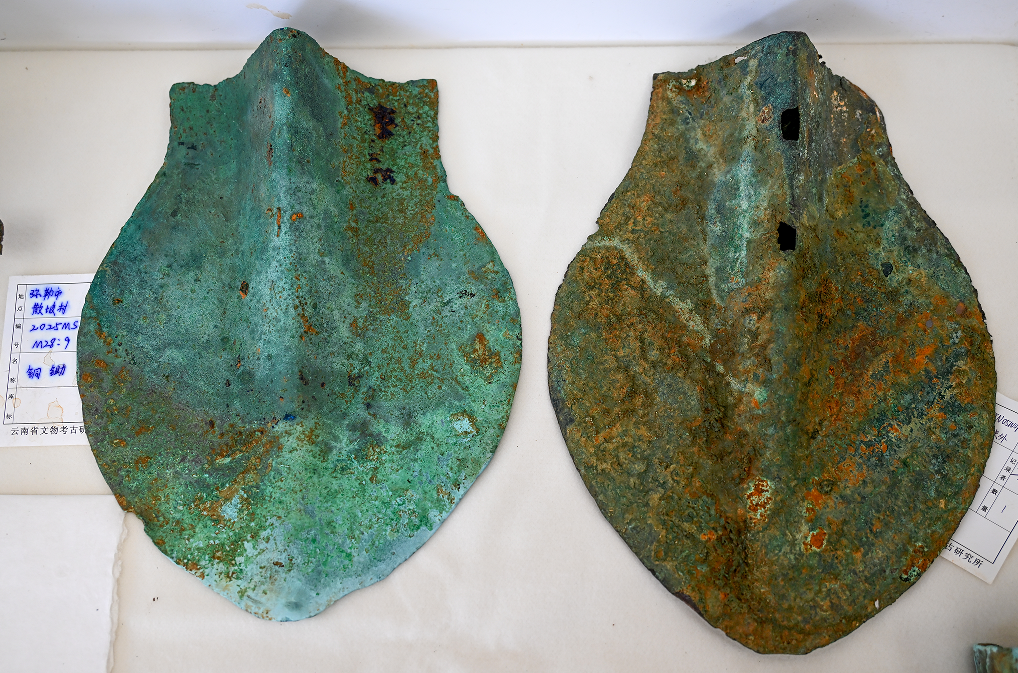
研究主题与问题意识Research Themes and Questions
围绕遗址、墓葬和物质文化,把古代中国的社会结构、礼制实践和身份表达转化为可展示的研究线索。Site evidence, burials, and material culture become research paths into ancient society, ritual practice, and identity.
Topic 1
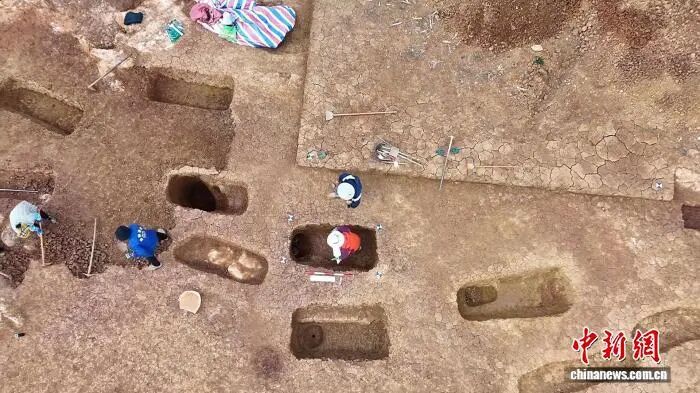
周原遗址Zhouyuan Site
关注西周政治权力、宗庙礼制、聚落格局与国家形成过程。页面以遗址材料和研究问题为主线,适合展示文献阅读、课堂论文或项目摘要。This theme examines Western Zhou authority, ritual landscapes, settlement patterns, and state formation through site evidence and research questions.
查看详细图片和资料Open detailed images and material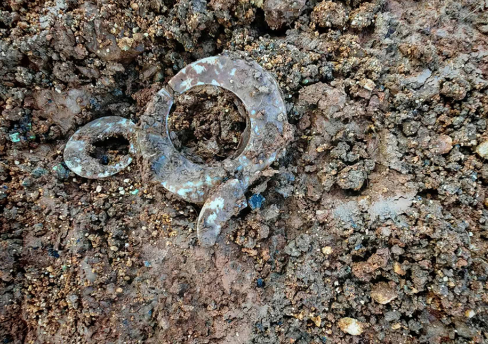
Topic 2
散坡村墓地Sanpocun Cemetery
从墓葬结构、随葬品组合和身份表达入手,观察古代共同体的社会分层、仪式实践与区域文化互动。Burial structures, grave goods, and identity markers reveal social ranking, ritual practice, and regional cultural interaction.
查看详细图片和资料Open detailed images and material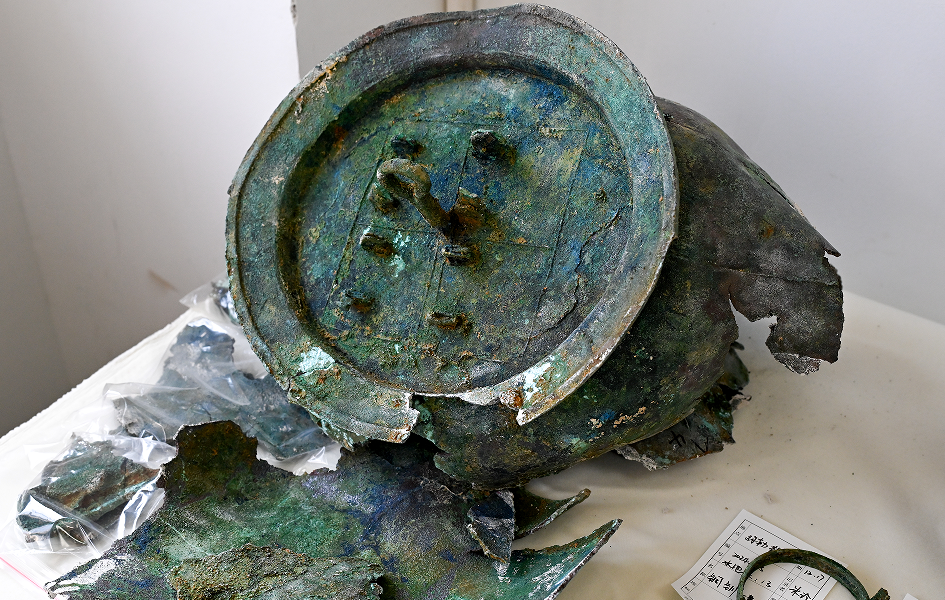
Topic 3
曹休墓与丧葬考古Cao Xiu Tomb and Mortuary Archaeology
通过墓葬形制、葬具、器物组合和历史文本对读,理解汉魏时期政治身份与死亡观念的表达方式。The tomb form, burial equipment, artifact assemblages, and historical texts help explain political identity and ideas of death in the Han-Wei period.
查看详细图片和资料Open detailed images and materialReading method
每个案例都说明资料从哪里来。Each case states where its evidence comes from.
区分亲历与阅读Experience versus reading
没有亲自参加的发掘,会明确写成基于公开报告的资料阅读。Excavations I did not join are clearly presented as studies of published reports.
区分事实与解释Evidence versus interpretation
先陈述公开材料,再说明我的理解,不把推测写成已经确认的结论。Published evidence is stated first; my reading is identified separately from confirmed conclusions.
说明资料限制Limits of the record
图片、新闻报道和展签各有边界,不能代替完整发掘报告或专业鉴定。Images, news reports, and labels have limits and do not replace excavation reports or specialist analysis.