地点地图Site Map研究主题Research Themes田野经历Fieldwork文物与资料Artifacts and Notes现场图库Field Gallery参考资料Sources
Cao Xiu Tomb and Mortuary Archaeology
返回研究主题Back to research

Research Topic 03

曹休墓与丧葬考古Cao Xiu Tomb and Mortuary Archaeology

通过墓葬形制、葬具、器物组合和历史文本对读,理解汉魏时期政治身份与死亡观念的表达方式。The tomb form, burial equipment, artifact assemblages, and historical texts help explain political identity and ideas of death in the Han-Wei period.

案例记录Case record

事实、阅读与判断边界。Evidence, reading, and limits.

这部分明确区分公开考古资料、我的理解和目前仍不能确定的问题。This section separates published archaeological evidence, my interpretation, and questions that remain unresolved.

01

墓主人身份为什么能够得到较强支持Why the identification of the tomb occupant is strongly supported

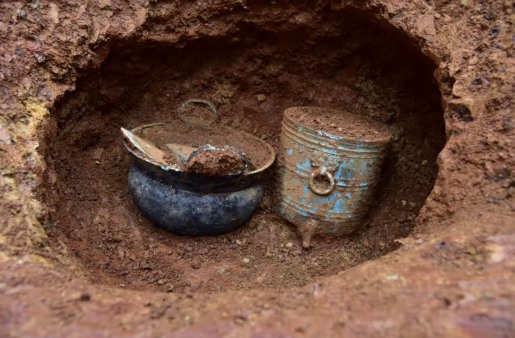
我没有参加曹休墓的发掘,这个案例依据洛阳市考古研究院公布的资料整理。墓葬位于洛阳孟津三十里铺村南,东西全长50.6米,由墓道、甬道、前室、后室、侧室和耳室等部分组成。墓中出土一方刻有“曹休”二字的铜印,它为墓主人身份提供了直接证据。相比仅凭墓葬规模或历史人物活动范围作推测,带有姓名且出自科学发掘背景的材料,使身份判断具有更清楚的证据链。I did not participate in the excavation of Cao Xiu’s tomb. This case is based on information published by the Luoyang Institute of Archaeology. The tomb lies south of Sanshilipu Village in Mengjin, Luoyang. It measures 50.6 metres from east to west and includes a passage, corridor, front and rear chambers, side chambers, and ear chambers. A bronze seal bearing the name “Cao Xiu” was recovered from the tomb, providing direct evidence for the occupant’s identity. This is a clearer chain of evidence than an attribution based only on tomb size or a historical figure’s general area of activity.
02

空间结构比“豪华”或“简朴”的评价更有用Spatial structure is more useful than calling the tomb luxurious or simple

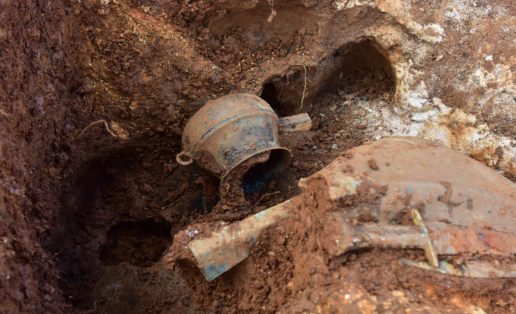
曹休墓出土器物数量并不特别多,且墓葬受到扰动,因此不能把研究重点只放在随葬品是否精美。墓道方向、墓室组合、不同空间之间的连接方式和墓葬尺度,提供了比较曹魏高等级墓葬制度的基础。我的阅读重点是先描述结构,再讨论等级与礼制,而不是从历史人物的地位反推墓葬必然应该是什么样子。The number of surviving objects from the tomb is not especially large, and the burial was disturbed. Research therefore cannot depend only on whether the grave goods appear impressive. The orientation of the passage, the arrangement of chambers, the links between spaces, and the overall scale provide a basis for comparing high-ranking Cao Wei burial practice. My approach is to describe the structure first and only then consider rank and ritual, rather than beginning with Cao Xiu’s historical status and assuming what his tomb must have looked like.

03

一个有明确纪年的个案如何参与更大的历史讨论How one dated case contributes to a larger historical question

曹休卒于公元228年,因此这座墓为观察东汉晚期至魏晋时期墓葬制度变化提供了重要时间点。但一个个案不能代表整个时代。它更适合与曹操高陵、西朱村曹魏墓以及其他有纪年材料的墓葬进行比较,观察墓室结构、随葬组合和丧葬观念中哪些因素延续、哪些因素改变。这个案例让我理解,历史人物能够提供年代坐标,真正的考古讨论仍要回到可比较的物质证据。Cao Xiu died in 228 CE, so the tomb offers an important chronological point for examining changes from the late Eastern Han into the Wei-Jin period. One burial, however, cannot represent an entire era. Its value increases when it is compared with Cao Cao’s mausoleum, the Cao Wei tomb at Xizhucun, and other burials with chronological evidence. Such comparisons can ask which elements of chamber design, grave-good assemblage, and funerary practice continued and which changed. The case taught me that a historical person may provide a date, but the archaeological argument must still return to comparable material evidence.

问题意识Research questions

把图片和材料变成可讲清楚的研究线索。Turning images and evidence into a clear research argument.

Question 1

曹休墓的墓葬形制如何体现曹魏高等级墓葬制度?How does Cao Xiu's tomb form reflect high-ranking Cao Wei burial practice?

Question 2

墓葬材料如何与历史文本中的政治身份相互说明?How can burial evidence and historical texts explain political identity together?

Question 3

汉魏时期的死亡观念如何通过墓室、葬具和器物组合表现出来?How are Han-Wei ideas of death expressed through chambers, burial equipment, and assemblages?

图片资料Image material

用于说明材料来源与观察限制的图像组。Images used to explain sources and limits of observation.

Cao Xiu tomb research image
曹休墓主题图,适合作为丧葬考古案例入口。A topic image for Cao Xiu's tomb as a mortuary archaeology case.
Chariot fitting or burial practice image
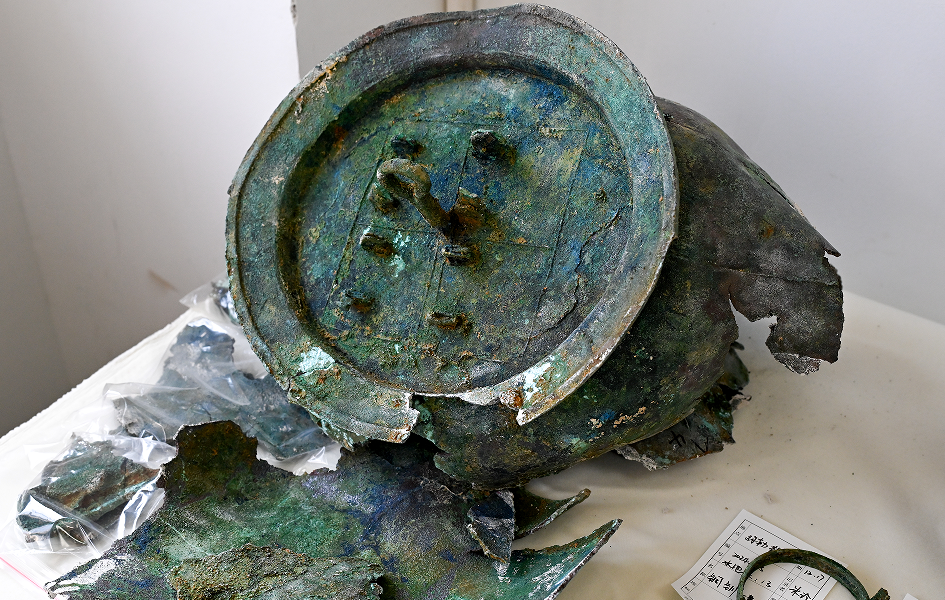
可用于讨论车马器、随葬制度与等级表达。Supports discussion of chariot fittings, burial practice, and rank expression.
Archaeological material for Han-Wei burial study
适合补充汉魏墓葬材料、器物组合和历史文本的联系。Adds context for Han-Wei burial materials, assemblages, and historical texts.

资料框架Material framework

先看材料,再掌握关键词。Start with evidence, then master the vocabulary.

墓葬形制Tomb form

墓道、墓室、分室结构和尺度是讨论等级制度和时代特征的基础。Ramp, chamber layout, compartment structure, and scale are basic evidence for rank and period characteristics.

器物组合Artifact group

葬具、陶器、金属器和车马相关材料能帮助解释身份、礼仪和死后空间想象。Burial equipment, ceramics, metal objects, and chariot-related materials help interpret identity, ritual, and imagined afterlife space.

文本互证Textual comparison

把考古材料与人物传记、时代制度和墓葬制度研究对读,能让个案进入更大的历史问题。Reading archaeology with biographies, institutional history, and mortuary studies places the case within broader historical questions.

墓道Tomb ramp

通向墓室的斜坡或通道,其方向、长度和形制常参与墓葬等级和空间结构讨论。A passage or ramp leading to the chamber; its orientation, length, and form often matter for interpreting rank and spatial structure.

分室结构Chamber division

墓室内部被分隔成不同空间,可能对应葬具、随葬品和象征性功能分区。The division of a tomb chamber into spaces, potentially linked to coffin placement, goods, and symbolic functions.

身份表达Identity expression

墓葬通过规模、结构、随葬品和位置安排呈现墓主政治、社会或家族身份的方式。The way a burial presents political, social, or familial identity through scale, structure, goods, and placement.

其他研究主题Other topics

Sean Hu

考古研究作品集Archaeological Research Portfolio