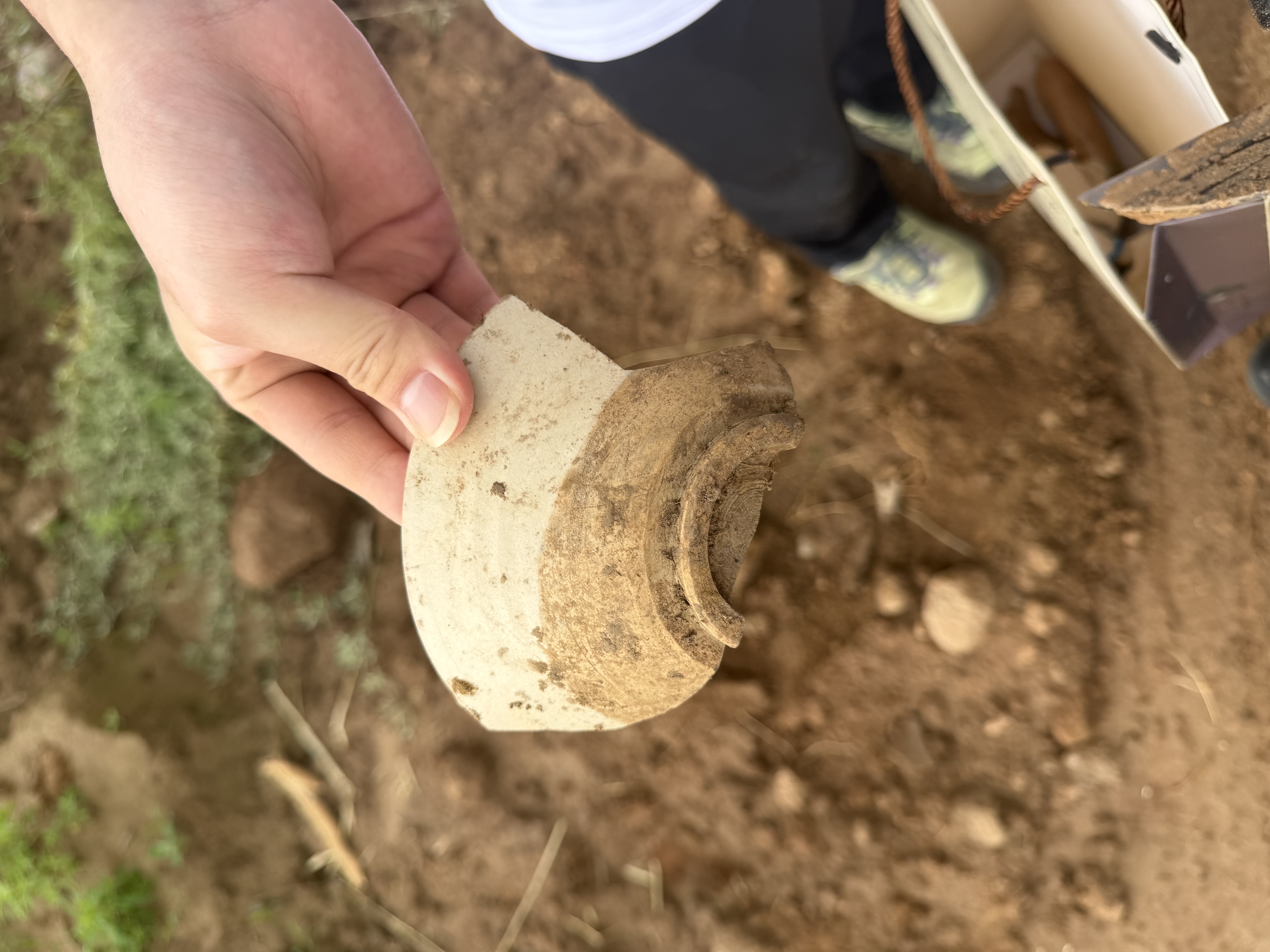
Fieldwork
三次考古经历与每日记录Three Archaeology Experiences and Daily Notes
每次经历都独立成页,包含 7 篇日记、案例记录和一篇学习成果总结。Each experience opens as its own record, with seven daily notes, a case record, and a learning essay.
选择一段经历Choose a field record
不再跳到长页面中段。Open one record at a time.
手机端点选后会进入独立页面,而不是在本页向下滚动。On phones, each choice now opens a dedicated page instead of scrolling through this overview.
01 / Experience 01
遗址踏查与地表采集Site Survey and Surface Collection
以地貌观察、地表遗物采集和记录训练为核心,学习如何从零散材料建立对遗址范围、性质和保存状况的初步认识。A survey-centered experience focused on landform observation, surface collection, and the first interpretation of site extent, function, and preservation.
进入独立记录Open field record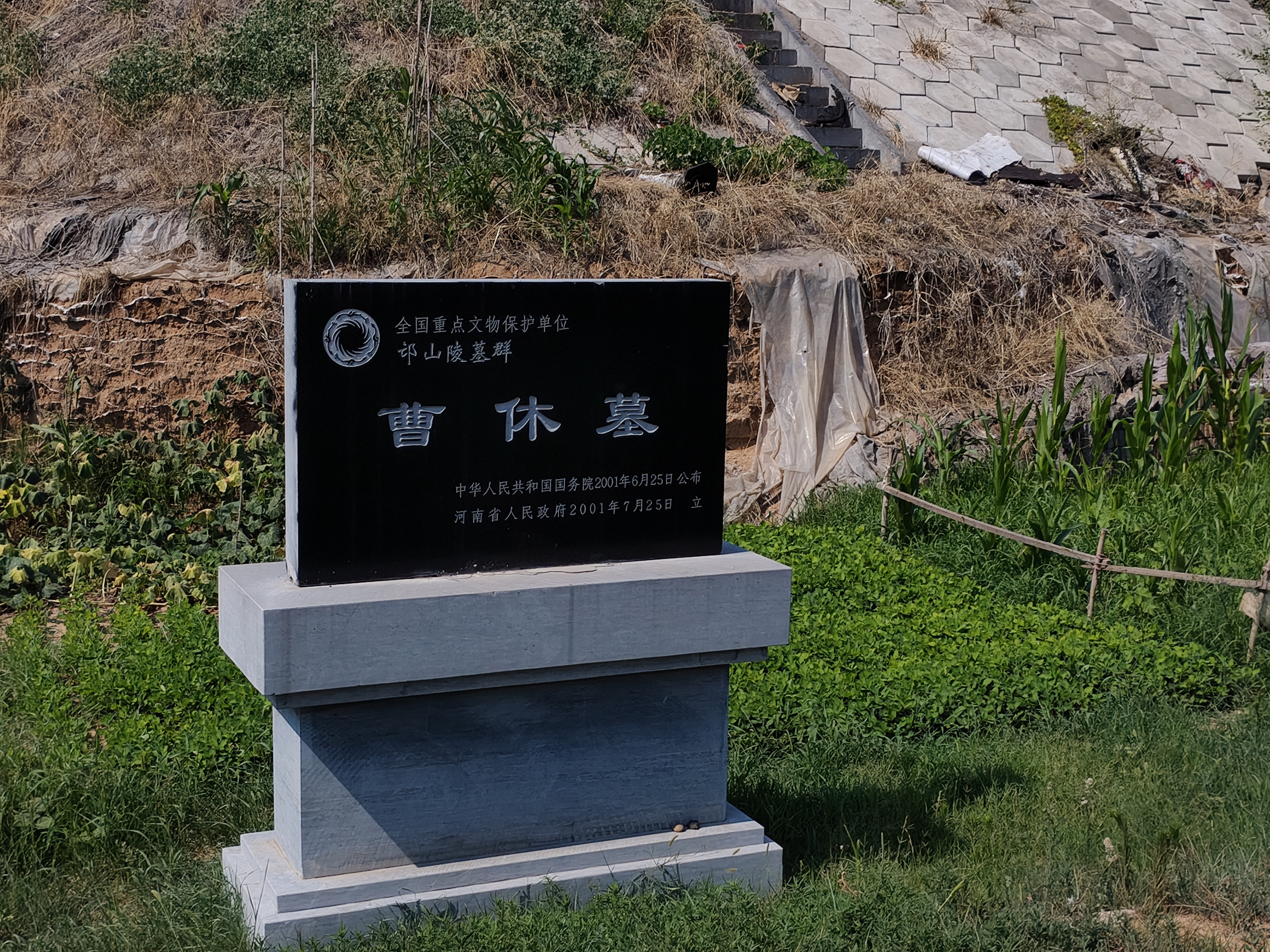
02 / Experience 02
墓葬材料观察Burial Context Observation
围绕墓葬结构、填土、随葬品组合和身份表达展开,训练如何从空间关系和器物组合理解古代社会。A burial-focused experience on tomb structure, fill, grave-good assemblages, and identity, with attention to space and social meaning.
进入独立记录Open field record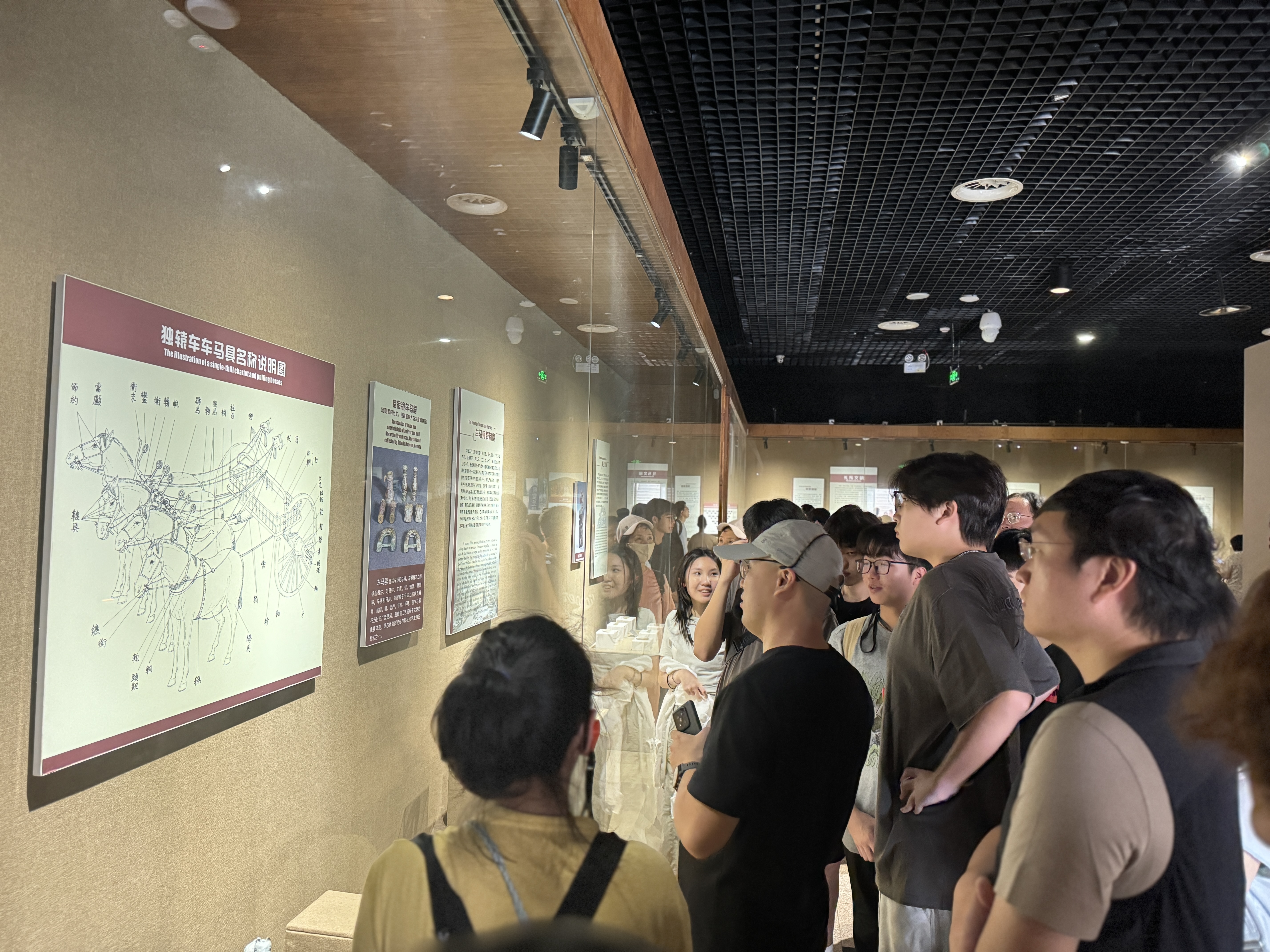
03 / Experience 03
博物馆与展陈学习Museum and Exhibition Study
通过展厅观察、展签记录、器物比较和观众动线分析,学习如何把考古材料转化为公众可理解的叙事。A museum-based experience on exhibition labels, artifact comparison, visitor flow, and public archaeological storytelling.
进入独立记录Open field record记录结构Record structure
01
事实与观察Observation and limits
02
7 篇现场日记Seven daily notes
03
学习成果总结Learning essay