地点地图Site Map研究主题Research Themes田野经历Fieldwork文物与资料Artifacts and Notes现场图库Field Gallery参考资料Sources
Zhouyuan Site
返回研究主题Back to research

Research Topic 01

周原遗址Zhouyuan Site

关注西周政治权力、宗庙礼制、聚落格局与国家形成过程。页面以遗址材料和研究问题为主线,适合展示文献阅读、课堂论文或项目摘要。This theme examines Western Zhou authority, ritual landscapes, settlement patterns, and state formation through site evidence and research questions.

案例记录Case record

事实、阅读与判断边界。Evidence, reading, and limits.

这部分明确区分公开考古资料、我的理解和目前仍不能确定的问题。This section separates published archaeological evidence, my interpretation, and questions that remain unresolved.

01

这个案例来自资料阅读,而不是我的亲自发掘A study based on published evidence, not my own excavation

我没有参加周原遗址的发掘,因此这里记录的是我阅读公开考古资料后形成的理解。中国社会科学院考古研究所公布的材料提到,近年来的工作辨认出宫城、小城和大城构成的多重城邑结构,并在王家嘴发现两座先周时期的大型夯土建筑。这些发现使我开始思考:判断一处遗址是否具有都邑性质,不能只依赖一件重要器物,而要观察建筑、道路、作坊、居址和城垣如何共同组成空间秩序。I did not take part in the excavation of Zhouyuan. This case records what I learned from published archaeological reports. Materials released by the Institute of Archaeology, CASS describe a city structure comprising a palace city, a smaller city, and a larger city, as well as two large Pre-Zhou rammed-earth buildings at Wangjiazui. These reports led me to ask how archaeologists identify an urban or capital center. A single impressive object is not enough; architecture, roads, workshops, residences, and enclosures must be considered as parts of one spatial system.
02

我关注的是不同证据之间能否互相限制I am interested in how different forms of evidence constrain one another

周原同时拥有建筑遗存、青铜器、甲骨和其他材料,这使它适合讨论考古证据与文字材料之间的关系。我的理解不是用文献去给遗址“找答案”,也不是把器物直接等同于某个历史人物,而是比较不同材料是否指向相近的时间、活动和空间范围。当材料之间出现不一致时,这种差异本身也值得记录,因为它可能来自遗址保存状况、发掘范围或文字记载的立场。Zhouyuan brings together architecture, bronze objects, oracle bones, and other forms of evidence. It is therefore useful for considering the relationship between material and textual records. I do not use a text as a ready-made answer for a site, nor do I equate an artifact directly with a named historical person. Instead, I compare whether different sources point toward similar dates, activities, and spatial patterns. When they do not agree, the disagreement also matters: it may reflect preservation, the limits of excavation, or the viewpoint of the written record.

03

目前能够提出的问题,仍然不是最后结论The questions I can ask are not final conclusions

公开报道提供了理解周原的新框架,但它不能替代完整发掘报告,也不能让我判断每一处建筑的具体功能。现阶段,我更愿意把这个案例作为研究方法练习:先说明材料来自哪里,再区分已经公布的发现、学者的解释和我自己的问题。对我来说,周原最重要的启发不是背下一套结论,而是理解大型聚落研究为什么需要长期发掘、区域比较和不断修正的空间模型。Public reports provide a new framework for understanding Zhouyuan, but they do not replace full excavation reports, and they do not allow me to assign a precise function to every structure. At this stage, I treat the case as an exercise in method: identify where the evidence comes from, separate reported discoveries from scholarly interpretation, and then state my own questions. The value of Zhouyuan for me is not a fixed conclusion. It is an example of why large settlements require long-term excavation, regional comparison, and spatial models that remain open to revision.

问题意识Research questions

把图片和材料变成可讲清楚的研究线索。Turning images and evidence into a clear research argument.

Question 1

周原遗址如何从先周聚落发展为西周政治与礼制中心?How did Zhouyuan develop from a Pre-Zhou settlement into a Western Zhou political and ritual center?

Question 2

大型夯土建筑、作坊和居址材料如何反映权力组织与空间分区?How do rammed-earth buildings, workshops, and residential remains reflect authority and spatial organization?

Question 3

遗址材料如何与甲骨、金文和传世文献互相印证?How can site evidence be compared with oracle-bone, bronze-inscription, and transmitted textual records?

图片资料Image material

用于说明材料来源与观察限制的图像组。Images used to explain sources and limits of observation.

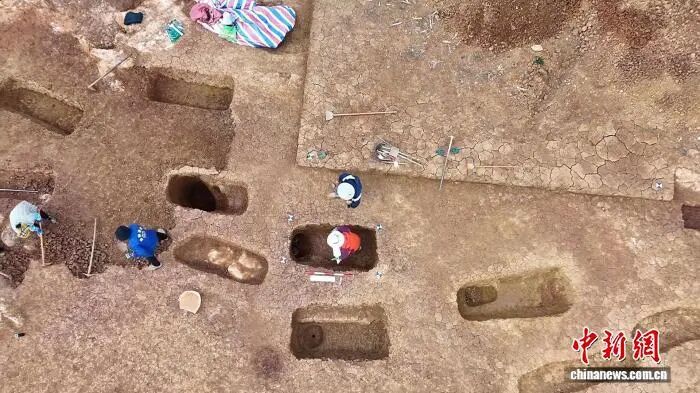
Zhouyuan research image
周原研究主题图,可作为遗址格局与材料证据的视觉入口。A visual entry for Zhouyuan site layout and material evidence.
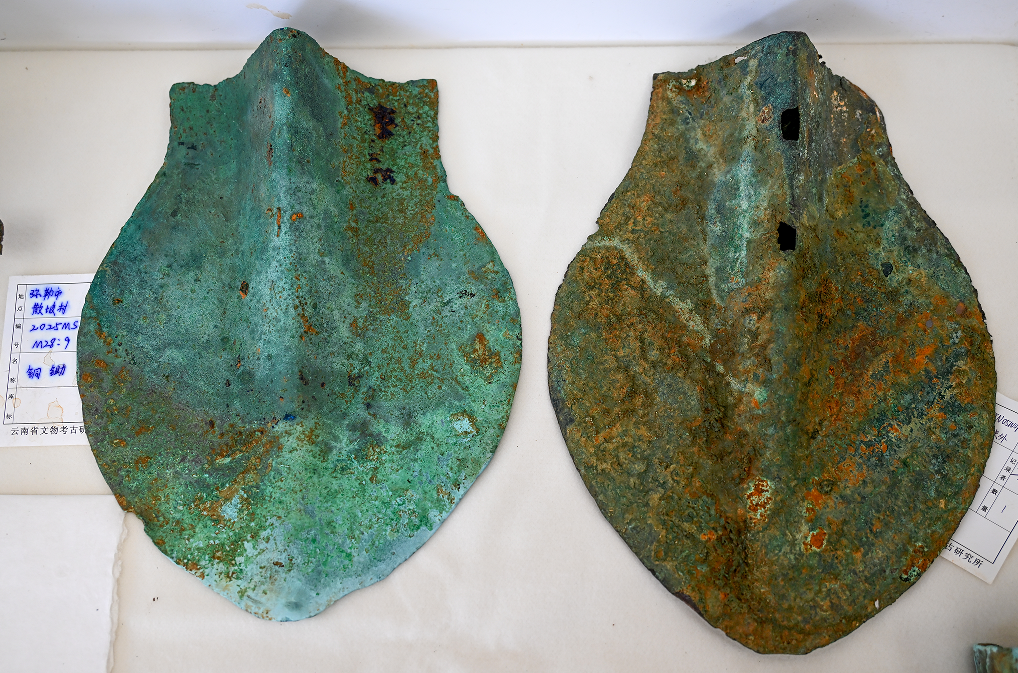
Archaeological material connected to Zhouyuan study
用于补充遗址材料、器物类型和展陈记录之间的联系。Supports links between site evidence, artifact types, and exhibition notes.
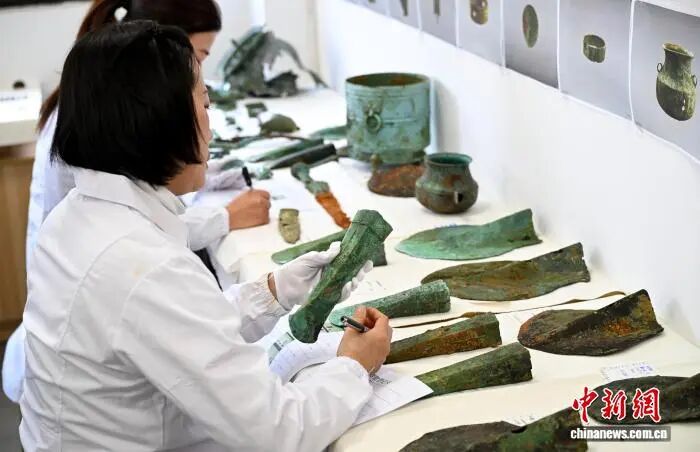
Research notes and archaeological image
适合放在研究总结或课堂展示中,强调问题意识而不只是图片展示。Useful for presentations because it frames evidence around research questions.

资料框架Material framework

先看材料,再掌握关键词。Start with evidence, then master the vocabulary.

遗址格局Site layout

以宫殿宗庙区、居址区、手工业区和道路水系为线索,理解周原作为都邑或核心聚落的空间组织。Palace-ritual areas, residences, craft zones, roads, and water systems help explain Zhouyuan as a capital-like core settlement.

礼制材料Ritual evidence

青铜器、玉器、建筑基址和祭祀相关遗迹可以共同讨论西周礼制实践和政治身份表达。Bronzes, jade, building foundations, and ritual remains can be read together as evidence for Western Zhou ritual practice and political identity.

研究方法Method

把遗址平面、出土器物、文献记录和区域地理放在同一框架中,避免只凭单一材料下结论。Site plans, excavated artifacts, textual records, and regional geography should be integrated rather than interpreted in isolation.

夯土建筑Rammed-earth architecture

通过层层夯筑形成的大型建筑基址,常与高等级建筑、政治中心或礼制空间有关。Large foundations made by compacting soil in layers, often associated with elite architecture, political centers, or ritual space.

聚落考古Settlement archaeology

从居址、道路、水系、作坊和墓地等空间关系研究古代社会组织的方法。A method that studies social organization through spatial relations among residences, roads, water systems, workshops, and cemeteries.

礼制空间Ritual space

与祭祀、宗庙、身份展示和政治秩序相关的空间安排。Spatial arrangements connected to sacrifice, ancestral temples, status display, and political order.

其他研究主题Other topics

Sean Hu

考古研究作品集Archaeological Research Portfolio