地点地图Site Map研究主题Research Themes田野经历Fieldwork文物与资料Artifacts and Notes现场图库Field Gallery参考资料Sources
Sanpocun Cemetery
返回研究主题Back to research

Research Topic 02

散坡村墓地Sanpocun Cemetery

从墓葬结构、随葬品组合和身份表达入手,观察古代共同体的社会分层、仪式实践与区域文化互动。Burial structures, grave goods, and identity markers reveal social ranking, ritual practice, and regional cultural interaction.

案例记录Case record

事实、阅读与判断边界。Evidence, reading, and limits.

这部分明确区分公开考古资料、我的理解和目前仍不能确定的问题。This section separates published archaeological evidence, my interpretation, and questions that remain unresolved.

01

先把名称、地点和发掘范围说准确Beginning with the correct name, location, and excavation scope

这个案例的正确名称是云南弥勒散坡村墓地,而不是“三坡村”。我没有参加这项发掘,以下内容来自公开报道。报道显示,2025年10月至12月,经批准的考古工作在约600平方米范围内清理了61处遗迹,其中包括50座土坑墓,以及房址、用火遗迹和灰坑;出土材料包括陶器、青铜器、铜铁合制器、铁器和玉石器。把这些基本信息写清楚,是避免把新闻标题当成完整研究结论的第一步。The correct name of this case is Sanpocun Cemetery in Mile, Yunnan. I did not participate in its excavation; the account here is based on published reports. The reported work took place from October to December 2025 across roughly 600 square metres. Sixty-one features were documented, including fifty earthen-pit burials, a structure, a fire-related feature, and ash pits. Finds included pottery, bronze, combined copper-and-iron objects, iron objects, and jade or stone objects. Establishing these basic facts is the first step toward avoiding the mistake of treating a news headline as a complete archaeological conclusion.
02

“工匠墓地”是有材料依据的解释,但仍需要论证The interpretation of an artisan cemetery is evidence-based but still requires argument

公开材料将散坡村称为西南地区首次确认的青铜时代工匠墓地,并提到墓葬中的铜矿石、生产工具以及周边采矿冶炼遗存。对我而言,重要的不是简单重复“工匠”这一标签,而是追问身份判断建立在哪些证据上:工具是否随葬、矿石出现在哪些墓中、墓葬之间是否存在稳定差异,以及墓地与周边冶炼地点是否具有时间上的对应关系。只有这些关系能够相互支持时,职业身份的解释才更可靠。Published accounts describe Sanpocun as the first confirmed Bronze Age artisan cemetery in southwest China and refer to copper ore, production tools, and mining or smelting remains in the surrounding area. What matters to me is not repeating the label “artisan,” but asking how that identity is argued. Were tools placed in graves? In which graves did ore occur? Are there consistent differences among burials? Do the cemetery and nearby production sites belong to compatible periods? An interpretation of occupational identity becomes stronger only when these relationships support one another.

03

器物相似可以提示交流,却不能单独证明人员迁徙Artifact similarities can suggest exchange but do not by themselves prove migration

报道把部分车马器、玉玦、铜鍪、铜錞于和带柄铜剑与云南及巴蜀其他地点的材料进行比较,这为讨论区域交流提供了线索。但相似器物可能来自人员流动、贸易、模仿或共享技术传统,不能只凭形制相近就确定一种解释。因此,我把这个案例理解为一个开放问题:矿产资源、生产技术、随葬习俗和跨区域器物如何共同塑造墓地面貌,还需要年代测定、科技分析和更完整的区域材料来回答。Reports compare chariot fittings, jade jue, bronze mou vessels, chunyu instruments, and handled swords with material from other parts of Yunnan and the Bashu region. These comparisons offer clues to regional interaction, but similar objects may result from mobility, trade, imitation, or shared technical traditions. Formal resemblance alone cannot decide among these possibilities. I therefore treat this case as an open question: understanding how mineral resources, production technology, burial practice, and interregional objects shaped the cemetery will require dating, scientific analysis, and fuller regional comparison.

问题意识Research questions

把图片和材料变成可讲清楚的研究线索。Turning images and evidence into a clear research argument.

Question 1

墓葬形制和随葬品组合如何反映墓主身份与共同体分层?How do tomb form and grave-good assemblages reflect identity and community ranking?

Question 2

工匠身份是否能通过工具、生产相关遗物或特殊组合被识别?Can craft identity be recognized through tools, production remains, or distinctive assemblages?

Question 3

散坡村墓地如何体现西南地区青铜时代文化互动?How does Sanpocun reveal Bronze Age cultural interaction in southwest China?

图片资料Image material

用于说明材料来源与观察限制的图像组。Images used to explain sources and limits of observation.

Sanpocun cemetery research image
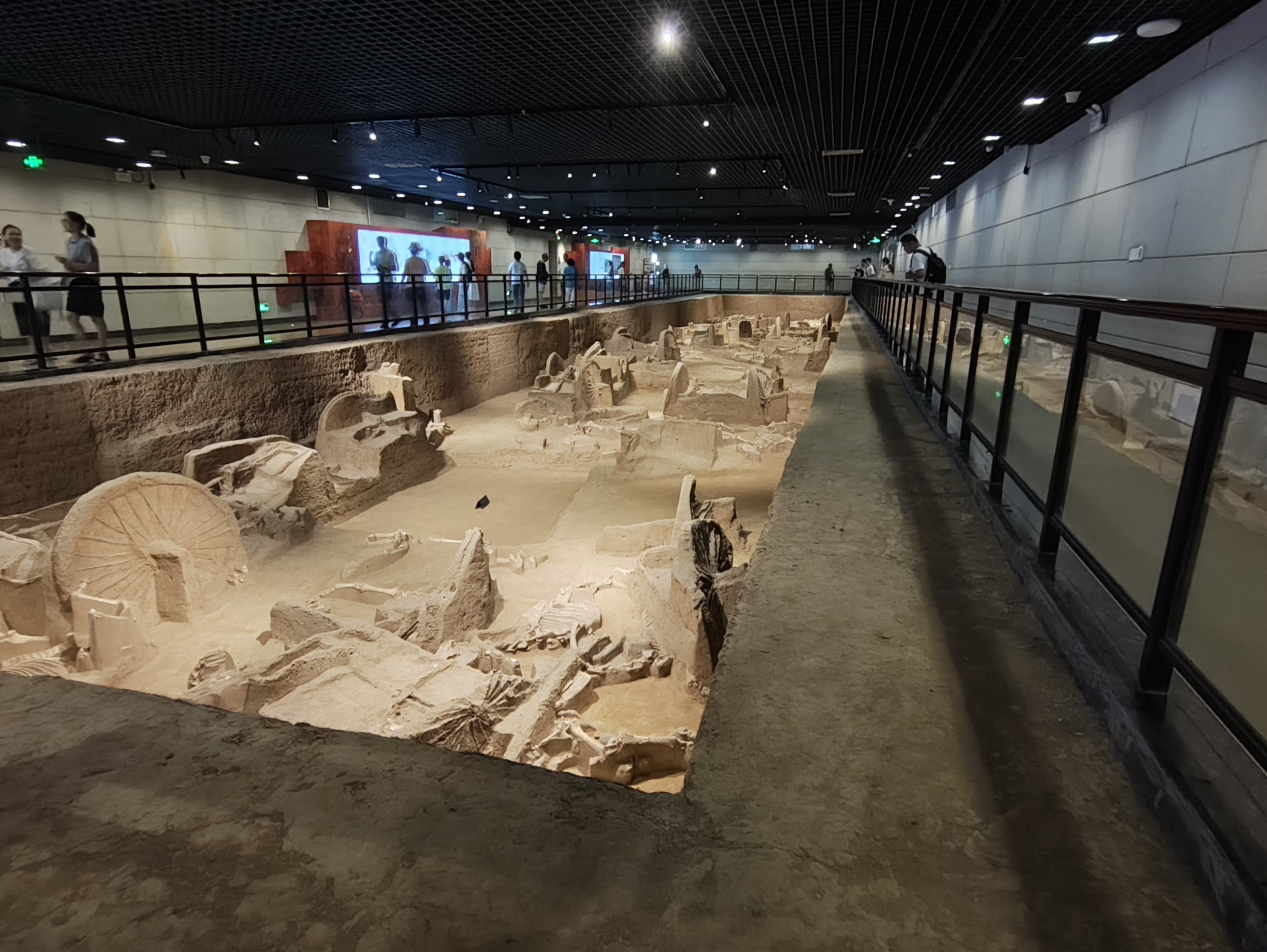
墓葬研究主题图,用于连接墓葬形制和随葬组合。A burial-study image linking tomb form and assemblage.
Burial context field image
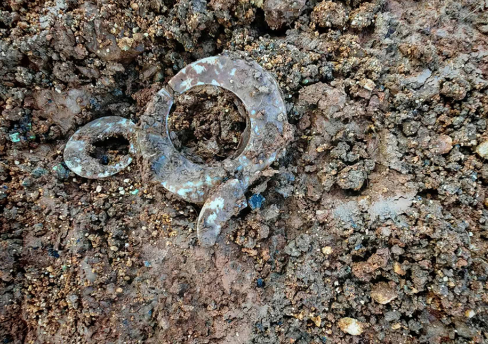
可作为墓葬空间、记录方法和现场观察的说明图。Useful for explaining burial space, recording method, and field observation.
Field or burial material image
辅助说明材料保存状况和墓葬资料整理过程。Supports discussion of preservation and burial-data organization.

资料框架Material framework

先看材料,再掌握关键词。Start with evidence, then master the vocabulary.

墓葬结构Burial structure

重点记录墓圹形状、方向、填土、葬式和扰动情况,为身份解释提供空间基础。Grave pit shape, orientation, fill, posture, and disturbance provide the spatial basis for identity interpretation.

随葬组合Assemblage

陶器、石器、铜器或工具类遗物的搭配,比单件器物更能说明仪式与社会关系。The combination of ceramics, stone objects, bronzes, and tools often explains ritual and social relations better than single objects.

社会身份Social identity

通过墓葬规模、器物数量、特殊遗物和墓地内部差异,讨论身份、职业与区域网络。Tomb size, artifact quantity, distinctive objects, and cemetery variation open discussion of identity, occupation, and regional networks.

随葬品组合Grave-good assemblage

墓葬中不同器类和材料的搭配关系,是判断身份、仪式和年代的重要依据。The combination of object types and materials in a tomb, crucial for interpreting identity, ritual, and date.

墓葬形成过程Mortuary formation process

包括下葬、回填、扰动、盗掘、自然破坏等影响墓葬现状的过程。Processes such as burial, backfilling, disturbance, looting, and natural damage that shape the present condition of a tomb.

工匠身份Craft identity

通过工具、生产痕迹、器物组合和墓葬差异推测的职业或社会角色。Occupational or social role inferred from tools, production traces, artifact groups, and cemetery variation.

其他研究主题Other topics

Sean Hu

考古研究作品集Archaeological Research Portfolio